01
How to tie
You'll need: about 70 cm of 60 lb mono for the bodyline, one strong swivel for the top, one three-way swivel or wishbone link for the junction, two short (15 to 20 cm) snoods of 25 lb mono, two hooks, and a lead clip.
Building the rig
- Top swivel: knot a strong swivel to the top of the bodyline; this connects to the mainline.
- Junction: tie the junction swivel about 20 cm above the lead clip. A three-way swivel is the cleanest option here; a heavy split-ring also works.
- Two snoods: tie a 15 to 20 cm snood to each of the two side rings of the junction. Keep them equal length so the hooks sit at the same depth in the water.
- Hooks: size 1 to 3/0 depending on bait. Pennel pairs work well for big baits like crab or peeler.
- Lead clip and weight: at the bottom of the bodyline. A clipped impact shield (over the hooks during the cast) keeps everything tidy in flight.
Two clean presentations
Because both hooks come off a single junction, both baits sit at the same height above the lead, in the natural strike zone for cruising fish. The hooks are far enough apart that they don't tangle each other in flight or under load.
02
When and where to use
The wishbone is purpose-built for distance casting on clean ground. The narrow profile of the rig in flight makes it the rig of choice when you need to hit the far bar or reach fish over a hundred yards out.
Best targets
- Cod and codling: surf beaches in autumn and winter, casting beyond the breakers.
- Whiting: same scenario, smaller hooks.
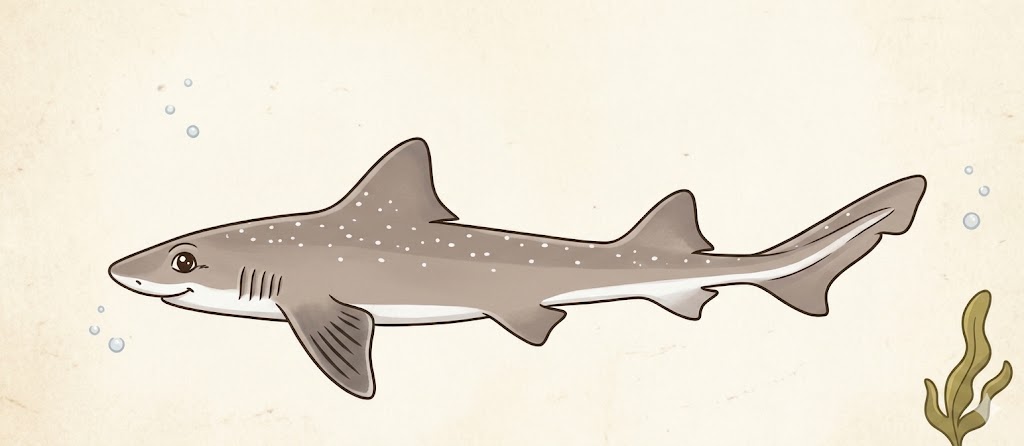
- Dabs and dogfish: when fishing at range over sandbanks.
- Plaice and small flatfish: drop down to size 4 hooks with two short worm baits.
Where it shines
Storm beaches and surf marks where bites come at distance. The clip-down profile loads the rod cleanly and the wishbone shape stops the bottom hook tangling around the lead on impact, a common failure of the standard flapper at long range.
Where to avoid it
Rough or weedy ground (no rotten bottom, both hooks risk snagging). Tight inshore work where you don't need the distance, a flapper is easier to bait up.
Bait tips
Twin worm cocktails (lugworm and ragworm together) shine on this rig. For cod, a strip of mackerel on each hook with a length of squid wrapped underneath gives a heavy scent trail at range.
03
Common mistakes
Snoods not clipped down
This rig is designed to be cast with both hooks clipped into bait clips on the bodyline. Without the clips, the snoods flap in flight, rob 10 to 20 yards from your cast, and tangle on the cast. Always use bait clips.
Unequal snoods
If one snood is longer than the other, the lower hook ends up below the strike zone and the upper hook is in the surface foam. Cut them to the same length when you build the rig.
Junction too far above the lead
If the junction is more than 30 cm above the lead, the snoods fold up the bodyline in flight and you have a tangle. Keep the junction tight to the lead clip, with both snoods short enough to clip in to the bodyline above the junction.
Too heavy bait
This is a distance rig. Hanging a whole squid off each snood kills the cast and tangles the rig on landing. Compact, well-wrapped baits only.
Common targets